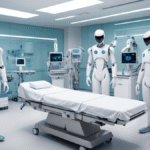


In today’s rapidly advancing world, healthcare is evolving at an unprecedented pace. Patients no longer look for hospitals that just provide treatment; they want institutions that deliver advanced medical solutions along with compassionate, patient-centered care. Leading hospitals across the globe are rising to this demand by combining cutting-edge technology with holistic healthcare practices. This article explores the advanced treatments and high-quality patient care available at leading hospitals and how they are transforming the future of medicine.
Advanced Treatments in Leading Hospitals
Precision Medicine
Hospitals are moving toward personalized treatments based on a patient’s genetics, lifestyle, and health history. This ensures better outcomes and fewer side effects.
Robotic and Minimally Invasive Surgery
Robotic-assisted surgeries allow doctors to perform operations with unmatched precision, smaller incisions, and faster recovery times.
Regenerative Medicine
Stem cell therapy, tissue engineering, and regenerative treatments are helping patients recover from injuries and chronic conditions that were once thought untreatable.
Advanced Oncology Care
Leading hospitals provide treatments like immunotherapy, targeted therapy, and proton beam therapy, giving new hope to cancer patients.
Cardiac Innovations
From minimally invasive heart surgeries to artificial heart implants and advanced stents, modern cardiology has reached new heights.
Neurological Breakthroughs
Hospitals offer deep brain stimulation, advanced neuroimaging, and AI-assisted diagnosis for conditions like Parkinson’s, epilepsy, and brain tumors.
Organ Transplants and Artificial Organs
Leading hospitals specialize in successful organ transplants and are even developing bio-artificial organs to combat organ shortages.
Role of Technology in Advanced Treatments
Artificial Intelligence in Healthcare
AI helps in faster diagnosis, predictive analysis, and treatment planning. For example, AI tools can detect early signs of cancer more accurately than traditional scans.
3D Printing in Medicine
Hospitals use 3D printing to create prosthetics, dental implants, and even tissue models for surgery planning.
Telemedicine and Remote Monitoring
Patients can now receive treatment and consultation from leading doctors across the globe without traveling.
Virtual Reality (VR) in Therapy
VR is being used in pain management, physical rehabilitation, and even in training doctors for complex procedures.
Patient Care at Leading Hospitals
Patient-Centered Approach
Leading hospitals put patients at the center of care by respecting their preferences, values, and cultural needs.
Safety and Hygiene Standards
Strict infection control measures, clean environments, and safety protocols reduce risks and improve patient outcomes.
Comprehensive Support Services
From dieticians and physiotherapists to mental health counselors, patients receive holistic care under one roof.
Emotional and Mental Well-being
Hospitals provide counseling, therapy rooms, and family-inclusive care to support patients emotionally during treatments.
How Leading Hospitals Balance Technology and Human Care
High-Tech Yet Compassionate
While technology ensures accuracy and efficiency, personal interaction between doctors, nurses, and patients creates trust and comfort.
Transparency in Communication
Leading hospitals explain treatment options clearly, ensuring patients make informed decisions about their health.
Continuous Training of Staff
Medical staff are trained regularly in both new technology and soft skills like empathy, communication, and patient handling.
Community and Global Impact of Leading Hospitals
- Conducting medical research that sets global standards.
- Running preventive health programs like vaccination drives and awareness camps.
- Offering affordable healthcare packages for underprivileged communities.
- Training future medical professionals to continue the legacy of quality healthcare.
How to Identify a Hospital Offering Advanced Treatments
Checklist for Patients
- Accreditations like JCI, NABH, or ISO.
- Advanced technology such as robotic surgery or AI-driven diagnostics.
- Expert specialists with global exposure.
- Positive patient reviews and success stories.
- 24/7 emergency facilities and critical care units.
Benefits of Advanced Treatments and Patient Care
- Faster recovery and reduced hospital stays.
- Better accuracy in diagnosis and treatments.
- Lower risk of complications with modern technology.
- Holistic healing including emotional and mental well-being.
- Improved quality of life for patients.
Conclusion
Advanced treatments and patient care at leading hospitals represent the future of global healthcare. By embracing innovation such as robotics, AI, regenerative medicine, and precision care, hospitals are delivering better outcomes than ever before. But beyond technology, their true strength lies in a patient-first approach that balances compassion with cutting-edge treatments. For patients and families, choosing a leading hospital ensures safety, trust, and a pathway to healthier lives.