
When choosing a hospital, patients often prioritize expert doctors and advanced medical facilities. A hospital’s quality is not just measured by its infrastructure but also by the skills of its healthcare professionals and the availability of modern equipment. Top hospitals combine these two elements to provide superior patient care, improve recovery outcomes, and enhance overall patient experience. This article explores what patients can expect from a top-tier hospital in terms of doctors, facilities, technology, and patient services.
Expert Doctors: The Heart of Quality Healthcare
Highly Qualified Specialists
Top hospitals employ specialists who are highly qualified and experienced in their respective fields. From cardiologists and neurologists to oncologists and pediatricians, patients can access expert care for a wide range of medical conditions.
Continuous Training and Education
Expert doctors continuously update their knowledge through workshops, certifications, and international training programs. This ensures they stay current with the latest treatment protocols, technologies, and best practices in healthcare.
Multidisciplinary Care
A top hospital often offers multidisciplinary teams where doctors from different specialties collaborate on complex cases. This integrated approach ensures comprehensive diagnosis and treatment plans, leading to better patient outcomes.
Patient-Doctor Communication
Expert doctors prioritize clear and empathetic communication. They explain diagnoses, treatment options, and procedures in detail, helping patients make informed decisions. Good communication also reduces anxiety and improves compliance with medical advice.
Advanced Facilities: Beyond Basic Healthcare
State-of-the-Art Infrastructure
Top hospitals feature modern infrastructure, including spacious wards, private rooms, and well-equipped operation theaters. Infrastructure quality plays a key role in patient comfort, safety, and recovery.
Advanced Diagnostic Equipment
Accurate diagnosis is critical to effective treatment. Leading hospitals invest in advanced diagnostic tools such as:
- MRI and CT scans
- Ultrasound machines
- Digital X-rays
- Pathology labs with automated testing
These facilities ensure quick and precise detection of medical conditions.
Surgical and Trauma Care
Top hospitals are equipped with high-tech operating theaters, robotic surgery systems, and specialized trauma units. These facilities allow complex surgeries and emergency procedures to be performed with higher success rates and minimal complications.
Intensive Care Units (ICU)
Well-equipped ICUs are a hallmark of top hospitals. Critical patients receive continuous monitoring, advanced life support systems, and expert care, ensuring safety during high-risk conditions.
Specialized Departments
Cardiology and Heart Care
Advanced cardiac facilities include cath labs, cardiac ICUs, and emergency cardiac services. Top hospitals often have experienced interventional cardiologists and cardiothoracic surgeons.
Oncology and Cancer Care
Cancer treatment requires a multidisciplinary approach. Leading hospitals provide chemotherapy, radiation therapy, immunotherapy, and surgical oncology under one roof, along with personalized care plans.
Neurology and Neurosurgery
Neuroscience departments offer treatments for brain and spinal disorders, including advanced imaging, minimally invasive surgery, and rehabilitation programs.
Pediatrics and Neonatal Care
Top hospitals feature specialized pediatric units and neonatal ICUs (NICUs) to provide comprehensive care for infants, children, and adolescents.
Orthopedics and Rehabilitation
Modern orthopedic departments include joint replacement, arthroscopy, physiotherapy, and rehabilitation services to ensure full recovery and mobility restoration.
Technology Integration
Electronic Health Records (EHR)
EHR systems streamline patient data management, reduce errors, and allow seamless communication between departments. Doctors can access patient history, lab results, and imaging reports instantly.
Telemedicine and Remote Consultations
Top hospitals use telemedicine platforms to provide remote consultations, follow-ups, and monitoring. This improves accessibility for patients who cannot visit the hospital in person.
Patient Monitoring Systems
Advanced patient monitoring systems in ICUs and wards track vital signs, oxygen levels, and heart rate continuously, enabling timely intervention in critical situations.
Patient-Centric Services
Comfortable and Safe Environment
Top hospitals focus on patient comfort with clean rooms, proper ventilation, noise control, and well-maintained facilities. A safe and comfortable environment contributes to faster recovery.
Efficient Admission and Discharge Processes
Streamlined administrative procedures reduce waiting times and make hospital visits hassle-free. Hospitals often provide concierge services to guide patients through admissions, billing, and post-discharge care.
Nutrition and Wellness Support
Dietary planning, nutrition counseling, and wellness programs are integral parts of top hospitals’ patient services, promoting holistic recovery.
Counseling and Emotional Support
Hospital stays can be stressful. Professional counselors, support groups, and mental health services help patients and families cope emotionally, improving overall patient experience.
Emergency Readiness
24/7 Emergency Services
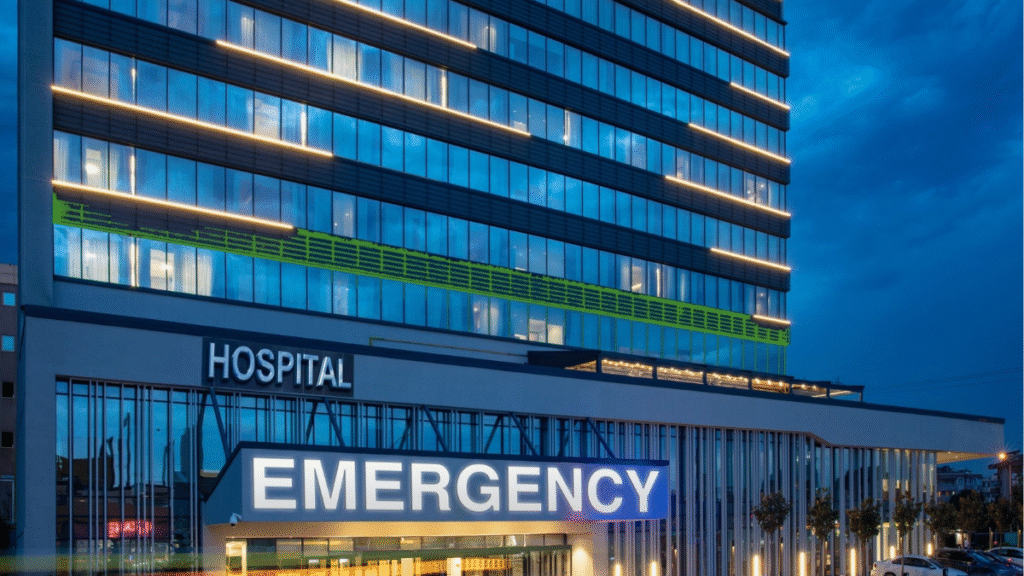
Top hospitals maintain fully functional emergency departments that operate 24/7. Experienced trauma teams are available to handle accidents, cardiac events, and other critical emergencies.
Ambulance and Transport Facilities
Hospitals often provide well-equipped ambulances with paramedic support for quick transportation and emergency care en route.
Disaster Preparedness
Leading hospitals have disaster management protocols, including fire safety, evacuation plans, and emergency drills to ensure patient and staff safety during unforeseen events.
Accreditation and Quality Assurance
Importance of Accreditation
Hospitals accredited by NABH, JCI, or ISO meet stringent quality and safety standards. Accreditation ensures adherence to best practices in patient care, infrastructure, and administrative protocols.
Continuous Quality Improvement
Top hospitals engage in regular audits, staff training, and performance evaluations to maintain high standards and implement the latest medical advancements.
Benefits of Expert Doctors and Advanced Facilities
- Accurate Diagnosis: Advanced diagnostics reduce errors and ensure timely treatment.
- Better Recovery Outcomes: Skilled doctors and modern facilities improve healing rates.
- Patient Safety: Hospitals with stringent safety protocols reduce risks of infections and complications.
- Comprehensive Care: Specialized departments and multidisciplinary teams provide complete care under one roof.
- Enhanced Patient Experience: Comfortable environment, empathetic staff, and patient-centric services increase satisfaction.
Choosing the Right Hospital
Research and Reviews
Evaluate hospital rankings, patient testimonials, and online reviews to gauge the quality of care.
Visit the Hospital
Observe the cleanliness, staff behavior, and infrastructure during a personal visit.
Check Accreditation and Certifications
Accredited hospitals ensure standardized care, safety, and reliable facilities.
Evaluate Specialty Departments
Ensure the hospital offers the specialized care you or your family may require.
Assess Technology and Safety Protocols
Hospitals with advanced monitoring systems, EHRs, and emergency readiness provide better safety and outcomes.
Conclusion
Top hospitals are distinguished by expert doctors and advanced medical facilities. Patients can expect high-quality care, accurate diagnosis, timely treatment, and a comfortable environment. From emergency services to routine care, such hospitals combine skill, technology, and patient-centric services to deliver the best healthcare outcomes. Choosing a hospital with these qualities ensures safety, trust, and a positive experience for patients and their families.