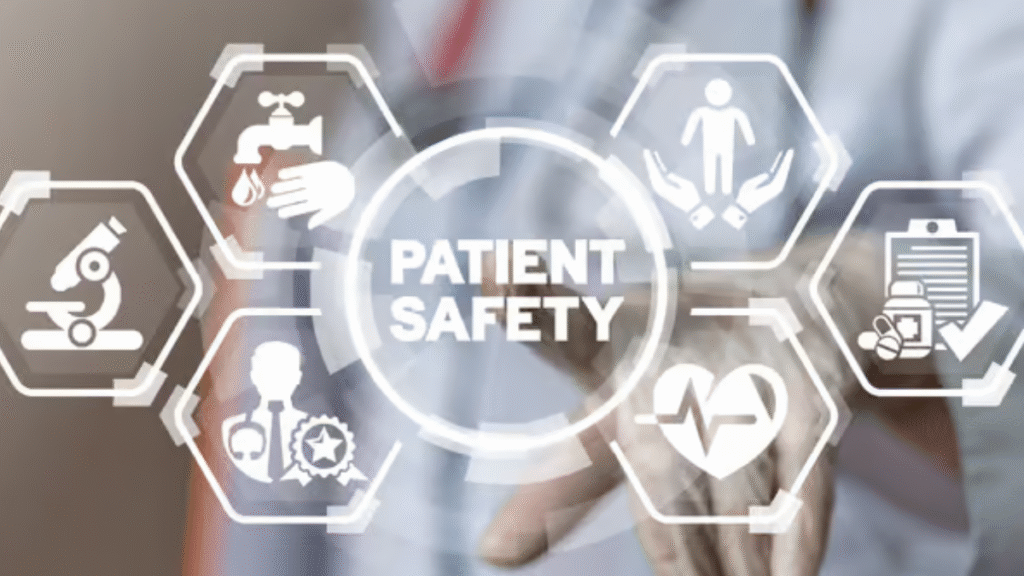

Hospitals are sanctuaries of healing, but they can also pose risks if safety protocols are not properly followed. Every year, millions of patients worldwide suffer from preventable hospital-related incidents — from medication errors to hospital-acquired infections. To combat these challenges, hospitals establish safety protocols that protect patients, staff, and visitors. These protocols are not only about preventing accidents; they are also about building a culture of safety, transparency, and trust.
This article explores the importance of hospital safety protocols, their key components, challenges in implementation, and how hospitals continually adapt to ensure patient well-being.
Why Hospital Safety Protocols Matter
Protecting patient lives
The primary aim of safety protocols is to reduce risks that threaten patient health, including infections, falls, wrong-site surgeries, and medication mistakes. Implementing strong safeguards can save lives.
Building patient trust
When patients and families see visible safety measures — from hand hygiene stations to clear communication practices — they feel reassured that their well-being is prioritized.
Reducing costs and legal risks
Preventable medical errors can lead to lawsuits, penalties, and reputational damage. Safety protocols reduce financial strain by preventing errors and lowering insurance claims.
Improving hospital performance
Hospitals that excel in safety often score higher in accreditation, reputation, and quality rankings. This creates a competitive advantage and encourages continuous improvement.
Core Areas of Hospital Safety Protocols
1. Infection Prevention and Control (IPC)
Hospital-acquired infections (HAIs) are a serious concern. IPC protocols focus on:
- Hand hygiene compliance.
- Use of personal protective equipment (PPE).
- Sterilization of medical equipment.
- Isolation protocols for contagious patients.
- Environmental cleaning and ventilation standards.
2. Medication Safety
Medication errors are one of the most common causes of harm in hospitals. Protocols include:
- Barcode medication administration systems.
- Double-checks for high-risk drugs.
- Electronic prescribing systems to reduce handwriting errors.
- Standardized labeling and storage of medications.
3. Patient Identification
Accurate identification prevents errors during treatment, blood transfusions, or surgery. Common practices:
- Wristbands with barcodes.
- Two-step verification before procedures or medication administration.
- Electronic health record cross-checking.
4. Surgical Safety
The WHO Surgical Safety Checklist is widely adopted to prevent wrong-site surgeries and other complications. Steps include:
- Pre-surgical team briefings.
- “Time-out” before incision to confirm patient details.
- Instrument counts before and after procedures.
- Post-surgical safety reviews.
5. Fall Prevention
Falls can cause fractures, head injuries, and prolonged hospital stays. Safety measures:
- Bed alarms and low-height beds.
- Non-slip flooring and footwear.
- Mobility assessments and patient support.
- Adequate lighting and supervision in high-risk areas.
6. Fire and Emergency Safety
Hospitals must be prepared for fire, natural disasters, or mass casualty events. Protocols include:
- Regular fire drills.
- Clearly marked evacuation routes.
- Smoke detectors and sprinkler systems.
- Emergency response teams and disaster preparedness training.
7. Radiation and Equipment Safety
Diagnostic and therapeutic equipment like X-rays and MRI machines require strict guidelines:
- Shielding and protective gear for patients and staff.
- Regular maintenance and calibration of machines.
- Staff training on safe handling and exposure limits.
8. Data and Cybersecurity Safety
Protecting patient health records is also part of hospital safety:
- Encryption of patient data.
- Secure login systems and multi-factor authentication.
- Regular cybersecurity audits.
Creating a Culture of Safety
Leadership commitment
Hospital leadership must set the tone by prioritizing safety in policies, budgets, and daily operations.
Staff training and education
Regular workshops, simulations, and e-learning programs keep staff updated on best practices.
Reporting and transparency
Encouraging staff to report near misses and errors without fear of punishment fosters continuous improvement.
Patient and family involvement
Patients and families should be engaged in their own safety by being encouraged to ask questions, verify procedures, and speak up if something seems wrong.
Challenges in Implementing Hospital Safety Protocols
- Resource limitations — Some hospitals, especially in developing regions, struggle with staff shortages and funding for advanced safety measures.
- Resistance to change — Staff may resist new technology or procedures, especially if they add extra steps to daily tasks.
- Communication gaps — Miscommunication between departments or shifts can undermine safety.
- Data overload — Too many alerts or protocols can cause staff to overlook important warnings.
- Balancing efficiency with safety — Hospitals must find the right balance between rapid service delivery and careful adherence to protocols.
Innovations Strengthening Hospital Safety
Artificial Intelligence (AI)
AI systems predict patient deterioration, detect anomalies in scans, and flag medication errors.
Robotics
Robotic surgery reduces complications, while automated cleaning robots help maintain sterile environments.
IoT Devices
Smart beds, wearable monitors, and infusion pumps reduce risks by providing real-time alerts.
Telemedicine
Remote monitoring and consultations prevent unnecessary hospital admissions, reducing exposure to infections.
Measuring Hospital Safety
Hospitals use specific metrics to evaluate protocol effectiveness:
- Rate of hospital-acquired infections.
- Number of medication errors reported.
- Frequency of patient falls.
- Surgical complications.
- Patient satisfaction scores.
- Compliance rates in hand hygiene audits.
Case Studies
Case 1: Reducing Surgical Errors
A large urban hospital introduced the WHO Surgical Safety Checklist. Within a year, surgical complications decreased by 30%, and wrong-site surgeries were eliminated.
Case 2: Infection Prevention in Intensive Care Units
An ICU adopted strict hand hygiene monitoring systems using electronic sensors. As a result, central line-associated bloodstream infections dropped significantly.
Case 3: Fall Prevention in Elderly Patients
A community hospital implemented fall-risk assessments and bedside alarms. Fall rates decreased by 40% within six months.
Steps Hospitals Can Take to Improve Safety Protocols
- Conduct regular risk assessments.
- Standardize safety checklists across departments.
- Leverage technology for real-time monitoring.
- Foster open communication among staff.
- Provide continuous education and training.
- Involve patients in safety initiatives.
- Benchmark against international best practices.
- Regularly review and update safety protocols.
The Future of Hospital Safety
Hospitals of the future will use predictive analytics, wearable devices, and AI-driven decision support systems to proactively prevent errors. Personalized safety protocols, based on patient-specific risk factors, will enhance outcomes. At the same time, emphasis will remain on human-centered care — ensuring that technology enhances rather than replaces compassion and clinical judgment.
Conclusion
Hospital safety protocols are the foundation of quality healthcare. From preventing infections to ensuring secure data systems, these protocols protect patients, staff, and the wider community. Implementing them effectively requires not only advanced tools but also leadership commitment, staff training, patient involvement, and a culture of transparency. As hospitals continue to evolve, safety will remain the guiding principle that ensures patient well-being in every aspect of care.
FAQs
1. What are the most common hospital safety protocols?
The most common include infection prevention, medication safety, patient identification, surgical safety, and fall prevention.
2. How can patients participate in hospital safety?
Patients can double-check their identification bands, ask questions about medications, and remind staff to wash hands if needed.
3. Why are hospital-acquired infections a major concern?
They prolong hospital stays, increase healthcare costs, and can cause severe complications, especially for vulnerable patients.
4. How often should hospitals update safety protocols?
Protocols should be reviewed annually or whenever new evidence, guidelines, or technologies emerge.
5. Do safety protocols slow down hospital efficiency?
Initially, they may add steps, but in the long run, they improve efficiency by preventing errors, reducing complications, and avoiding costly mistakes.